
Homelessness is not a new phenomenon. In fact, it has been around for centuries with the earliest documented cases being in the 1640s. Even growing up most people who lived around a bigger city would recognize some one who seemed homeless by their attire, their cardboard signs with whatever message and their cups waiting to be filled with clinking change of people passing by.
In Canada, there is no doubt the vast majority of people know we are in a housing crisis. There simply isn’t enough housing for everyone to live. The demand for housing is the highest it has ever been and the supply is very very limited. This isn’t even including the rent increases particularly here in Nova Scotia that the Provincial government is doing absolutely nothing to address the issue. Families being reno-evicted. People renting homes being kicked out due to the owners selling for a higher than asking price tag because they themselves can’t keep up with various bills such as the ever increasing power and water bills, and the rising cost of groceries that’s simply crippling the people. And this isn’t even touching the fact that our Prime Minister, Justin Trudeau thinks it’s a great idea to keep bringing over people when we don’t even have enough places to house our own citizens. Or addressing the fact that our provincial governments are failing to build affordable housing at an expedited rate because when they are actually built they still are out of the price range for many people, Nova Scotia is no different. With a minimum wage of a laughable $15.20 (20 cents due to the generous raise we recently got, thank you Tim Houston) and starting one bedroom apartments are at a staggering $1500. Even someone working far more than 40 hours a week is finding this utterly unattainable. This is only for rent. This isn’t whether utilities are included or even food and necessary items like toilet paper either.
At this point you may be asking well what is the government doing to solve this problem Canadians face daily as they wake up to start their day. Not much in term of a long term solution. It was said last year by stats Canada that nearly every province had seen an increase in homeless support sector with Nova Scotia growing the fastest at +130.4% growth. This is such an increase that people who aren’t necessarily qualified are being hired to “help”. Just over 1 in 4 people hired in traditional “helping fields” are with education in Business, Management and Public administration. This is a vastly different streak of education compared to human service programs where things can be taught in working with vulnerable populations. That means 25% of people who are “trying” to make a difference aren’t actually doing anything. They don’t have the proper skills, or even the proper knowledge on how to handle these situations. Circle back to the first blog I wrote here with the philosophy of “Do with, Not for”.
A prime example of people doing things they shouldn’t just happened to be reported on yesterday via The Surge couldn’t have happened at a better time. A Halifax Librarian sees anywhere from 3 and 4 over doses per week. Which is no where remotely near their job description. I got confirmation from someone who wants to remain off the books regarding this issue in that they do receive the basic courses as in to administer Narcan, or non violent crisis intervention, but this really isn’t anything related to Human Services and a library staff member is not a police office, not a paramedic and not a social worker. They explained situations where they would be working and addicts would use the washroom facilities to not only clean up, but to leave the water running and inject themselves, but not before locking the door. This individual would have to either open the door some how or get their supervisor to do so. Not only that, but due to the increase in such activity the stats for the library were diminishing. In order to receive funding you need to have higher stats however families and children were no longer using the library as they once were to avoid being caught in the middle of these circumstances.
And before anyone jumps down my throat, let’s think logically shall we. While no, not every person homeless is an addict, suffering from mental or physical disabilities, there is no secret the majority of people do have one of these hindering their ability for life changes. According to Made in CA in 2016 approximately 20% of homeless worked. Whether that number had vastly changed or not. That means 80% of homeless DID NOT work. Normally if someone is employed they also could be staying with friends or family, not to diminish the fact they are a part hidden homelessness but the likelihood of them living in tents in your local park is low. A major reason for this is due to the fact they haven’t burned bridges with family and friends and their loved ones aren’t afraid of them stealing their prized possessions for the next syringe full of heroin or a crack rock. There is a great deal of homeless individuals who suffer from addictions and mental health issues. And here is where the government is again, band-aiding a solution and hoping for success.
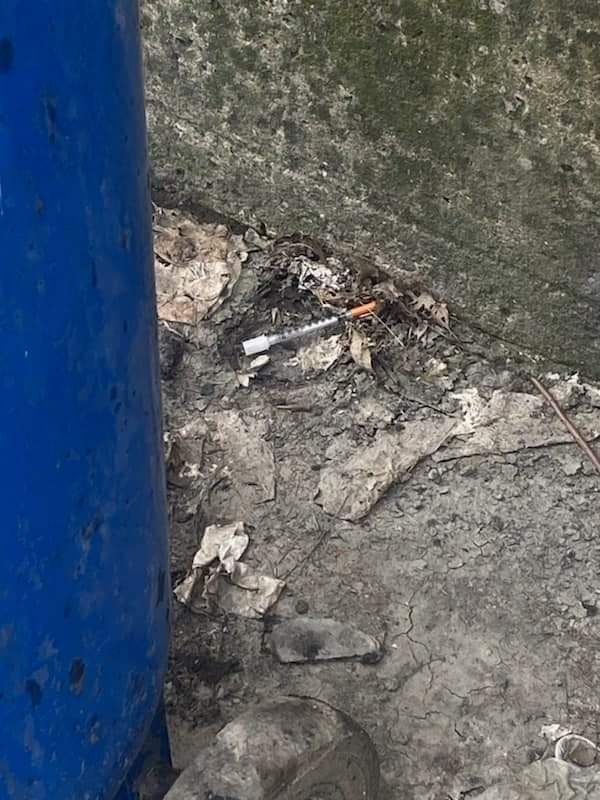
Firstly, the government wants to invest in safe supply and harm reduction. What are these you may ask? Harm reduction is a “first” step. The purpose of harm reduction isn’t to get off drugs. It’s to reduce infection and to hopefully prevent overdoses. The idea is to “meet addicts where they are” and if that is continuing drug use then helping them to reduce the consequences of using. From needle swaps and drug testing kits to ensure that the street drugs don’t contain something as deadly as fentanyl.
Next is safe supply. Which is exactly as it sounds. Essentially making drug use as “legal” as possible via doctors that supply prescriptions to a legal version of a drug. Addicted to opiates? Here have some methadone instead. The problems with this is that a “cleaner” version isn’t exactly giving the same “high” therefore addicts are simply taking this cleaner version and selling them for the drug of choice. This is a frequent discussion as seen here police across the country are finding more and more prescribed medications as they confiscate and raid local dealers. While yes, pinpointing the exact route these take, it’s no surprise that safe supply is a major key difference in the last few years since the increase in these medications being found illegally. As quoted in the article ” “There’s always a risk of medication being diverted, especially narcotics,” he said. “Unfortunately, diversion can’t be prevented — it happens across the spectrum of medications.”. So why are we encouraging safe supply as a means to an end instead of proper therapy, coping skills, and management to eventually be drug free. Whether illegal or legal drugs, why are drug free lives not the end game here? Instead of the maintaining of a “drug” managed life.
Just in Nova Scotia alone they have something called a “brown bag” program provided by the MainLine Needle Exchange where over 100 pharmacies are currently participating. This is where people can go to any pharmacy listed here and ask a pharmacist and receive 10 clean syringes, cookers, water, filters and ties. Your perfect solution for cooking up some crack or heroin for your daily fix. I’d also like to add that people who are Type 1 diabetic, who their very existence is defined by needles daily multiple times don’t have this luxury of receiving their supplies and are often strapped to providing for their illness. I have even received reports to the inbox of people who are diabetic using the program for needles foe this vary reason. It’s free for addicts but not diabetics.
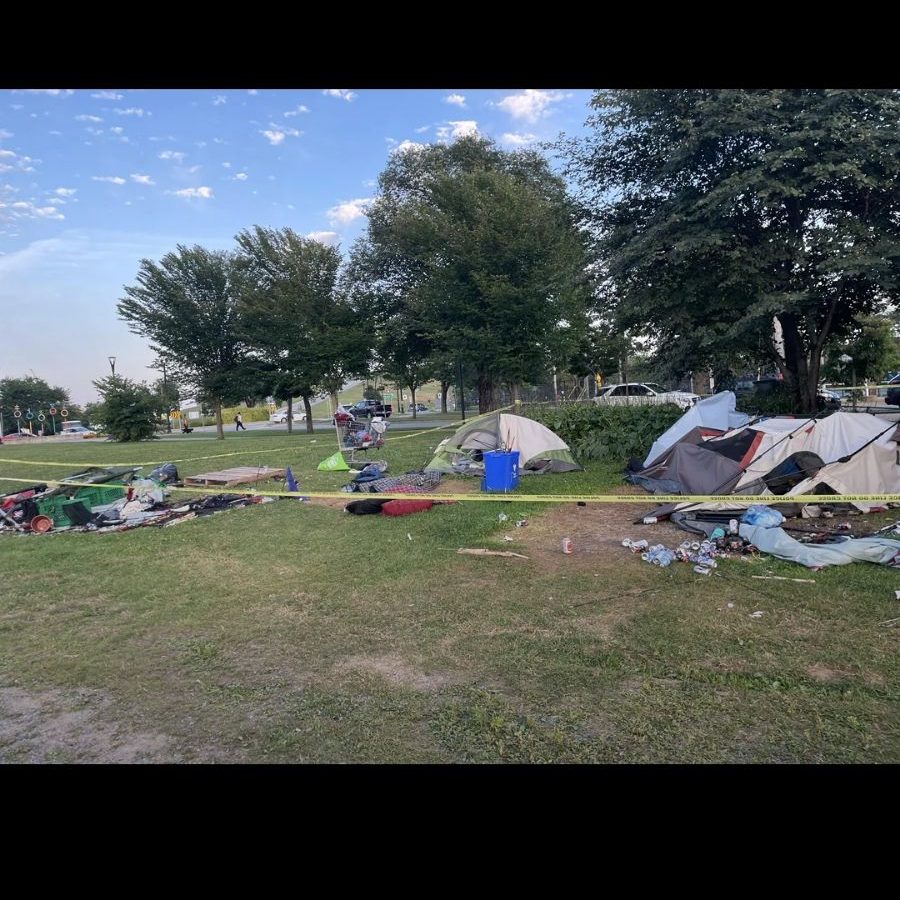
Next are encampments. These go hand in hand with homelessness in any province. These are sometimes designated areas by the province where homeless people can “live”. In Nova Scotia there are some downtown, some in Dartmouth and one in Sackville that has since been closed and is being used as a tiny home community. I will go into more detail with these areas further in the series. For the basics These are essentially a free for all area where people are “allowed” to put their tents, and sometimes trailers if they have one available to live in. Not to be confused with tents that also tend to be located completely away from encampments because they don’t really care or they don’t like the environment that encampments have.
And if by some chance reading this post itself hasn’t hammered down the fact that these encampments and safe supplies aren’t actually doing what they should be, keep watching for next week’s blog where I break down how it truly isn’t helping the opiate crisis and homeless issues in Canada that continue to grow.


 Stacey J. Girard
1 thought on “Canada’s “Safe Supply” and “Safe Injection Sites” or Canada’s way to killing citizens one needle at a time.”