
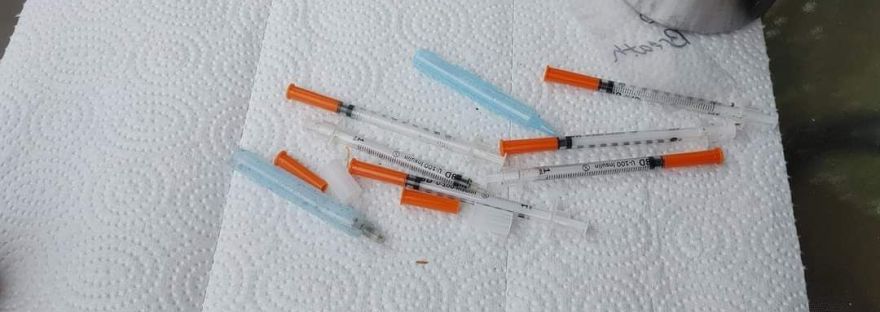
One thing you may not have noticed is that we are pumping so much money into a problem in hopes it goes away. I say we as if we are quite literally funding safe supply and harm reduction programs while I would dare say a vast majority of tax payers would support detox or rehabs first.

In 2022 there was a report announcing additional funding to support safe supply. It stated that due to the Covid-19 pandemic drug use has substantially increased with the drug overdoses and deaths due to drugs also increasing. These pilot drug enabling, I mean safe supply programs were in Toronto, Victoria, and Vancouver (and don’t worry, the next blog we will dive into how utterly failed they actually are). As mentioned in a previous blog though, safe supply is nothing more than giving addicts legal prescriptions for an alternative drug that is “cleaner”. Instead of heroin they may be prescribed methadone.
A major flaw here as stated in this article describing safe supply is that it doesn’t actually ensure people are not using illegal drugs. They work with “flexible client goals” and this is not one. So essentially a person can use safe supply AND also use illegal drugs as well. Thus defeating the entire purpose of the program.
Just this year CBC published an article here where the very first photo is of an addict admitting that he needs 24 daily Dilaudid pills in order to stay away from the ever deadly Fentanyl. He even admits that while he takes it properly to stay away from the harsher and more potent drugs, many others don’t actually use the program properly. Part of the article below:
Street trade in ‘dillies’
That stretch of sidewalk is full of people who don’t use the pills properly. When they get them, Wickens said, many trade the Dilaudid for stronger stuff on the street.
“If they don’t have their fentanyl they get really sick, and the Dilaudids, they don’t even come close to the fentanyl so they basically don’t have a choice,” he said.
This is literally a person using the program to the designed purpose saying that it has some major flaws. Not to mention the same article shares the very predatory behavior of street dealers who will trade their Legal Dilaudid pills for the elusive, illegal Fentanyl which he admitted was a much stronger high anyway.
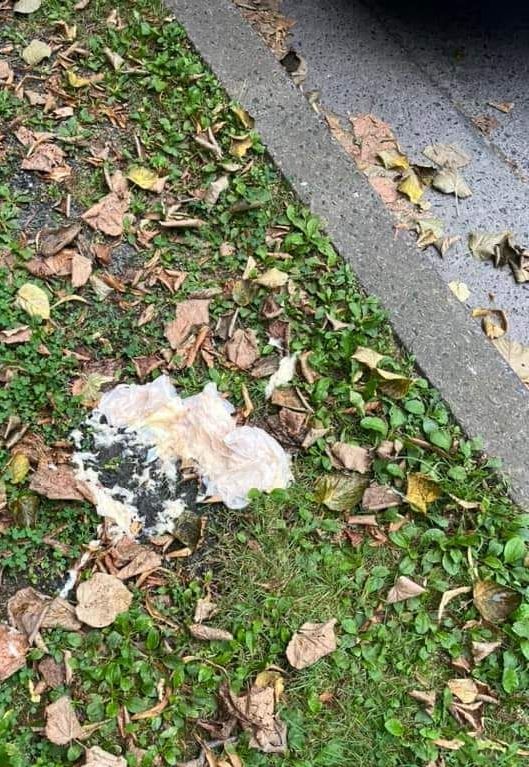
Health Canada has already given over $7.5 million dollars to substance abuse and addiction programs (SUAP). But what is the contrast to that? Not much. According to this article, While they state that it is possible to receive treatment the long wait times are a major deterrent for many addicts to want to seek a sober lifestyle. At least for the public, because if you are fortunate enough to be able to afford privatized treatment for addictions the wait lists are shorter.
Which still raises the question for many, why is our government or people in power not funding more programs for addicts to live drug free? Why are we funding programs that essentially maintain addiction? After all safe supply is still funding addiction. While it’s claimed to be a safer alternative it still is addiction. The drug of choice doesn’t change it just becomes cleaner that is if they even use the programs properly.
According to stats Canada based on opiate and stimulant usage, there was a total of just over 11,000 deaths and among those 35,000+ hospitalizations due to overdoses and other drug related situations. That’s an average of 20-25 people dying per day from something that the government funds as a “cleaner” way to use drugs. Instead of funding programs to live a drug free life. Of all apparently deaths with opiates for example, about 82% involved fentanyl.
After all let’s look at this logically shall we. Big pharma is the ones who essentially will be paid in regards to safe supply. Thus being the prescriptions these doctors in these legal drug dens are giving to their “patients” to substitute crack, cocaine or heroin for Methadone or diludids and other legal medications so long as there is a prescription and the patients name.
Safe supply is essentially a revolving door. Sure there are a few folks who want to use the programs properly. But why is it we never see stories of people using these programs and becoming fully drug free? Why are these programs only ever going as far as talking about using drugs that are cleaner or safer but never not using? Which seems pretty easy in terms of steps. Just go, get, leave.
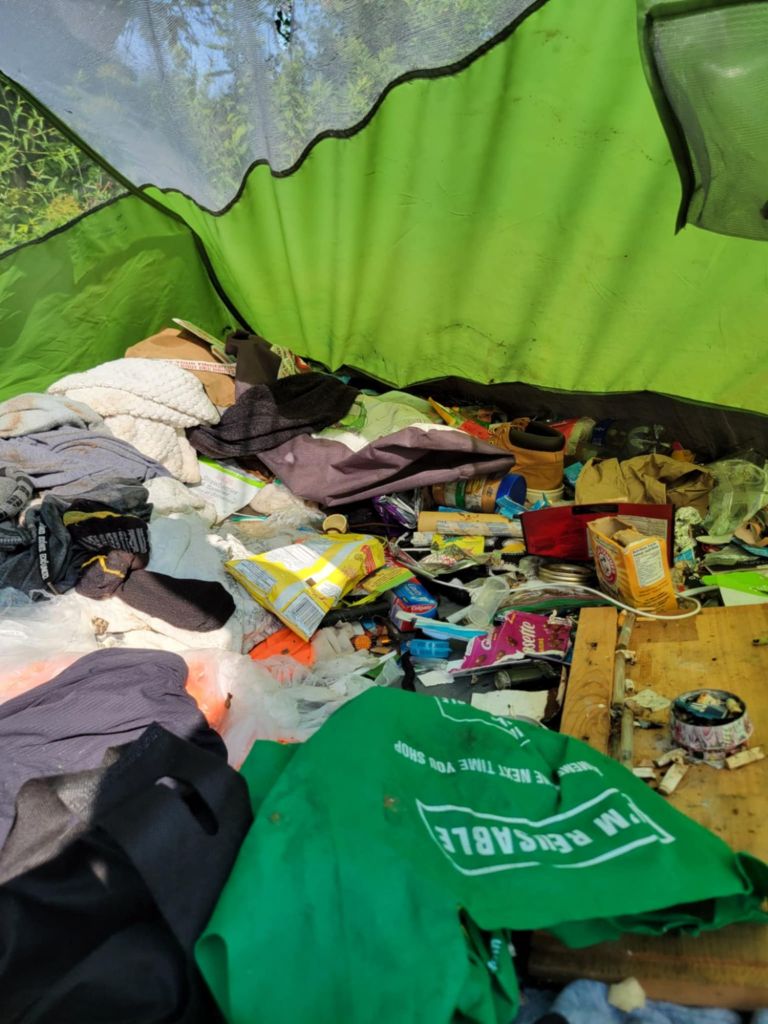
Not the flip side of detox or rehabs. This is for people who truly want to live drug free. It isn’t easy. It also isn’t overnight either. It takes therapy, some medications to maybe off set withdrawals. It takes coping and skills to re-frame your way of thinking. And that’s even just to be sober. That’s not including outside of these places where you may bump into “Conner the Crackhead” down the road who you used to smoke with nightly at 3am before breaking into the cars in the local parking garage. This doesn’t count a relapse that might land you back into the programs refreshing your mindset of drug free not just maintaining a normal “cleaner” drug lifestyle so you don’t feel “dope sick”. In contract to safe supply this is many, many steps and a realization from the addict that they truly want this.
This is also why housing for people able to support themselves is so significantly important. Encampments are havens for dealers to pray on homeless addicts. Should I remind you of the homeless individual who was homeless in the Sackville encampment, basically funded by generous donations of gift cards from the community as he also claimed to be down on his luck while providing the people inhabiting the encampment with their supply until he got caught. And before anyone says anything, an addict who is homeless due to addiction likely won’t be getting better with housing. This was proven in this post here where it was shared via someone who used their credit card to pay for an Air BnB to house the same people from the Sackville Encampment as it closed. This is what addicts do to a property that isn’t their own. They don’t have the skills to properly care for themselves let alone a home.
Let me ask you this, which would you rather fund: Drugs that are legally given to addicts who may or may not abuse them for illegal drugs OR programs of help and hope to have people living drug free and able to not be bound by substances? It seems like a pretty easy answer to me.


 Stacey J. Girard
1 thought on “Maintaining a drug addiction, or support a drug free life, which do you choose?”