

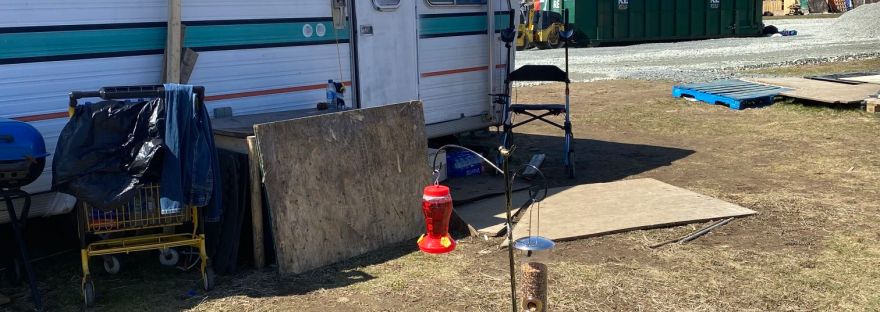

It’s no secret that encampments are rough for multiple people including but not limited the people living in them. And while people toot about housing first some issues are far more complex than that. We are speaking with a volunteer, Pam Taylor, who helped one of the encampments within Halifax Regional Municipality. And while I do speak about the dangers of encampments here I think it is always valuable to hear from someone directly attempting to make an impact by being there physically and putting in valuable time and efforts to making individuals living within them more comfortable. Pam’s career background in emergency services lead her to trying to tackle this Canadian issue that seems to be taking more steps back than forward in terms of actually helping our homeless populations across the country.
**** As always, Bold font is questions, regular font is interviewee answers and ***with italic font is my own two cents thrown in!
What made you decide to help the homeless population at this particular encampment within HRM?
I saw the need and have a background in homelessness, addiction, mental health and a heart to help anyone in need
How many people approximately would come and go from this particular encampment?
At the beginning of November last year (2023) there was 12 residents that jumped over night to 25 then to 50 plus
What was your role? Meals? Extras like toiletries? Other?
My role was to provide support in which ever way I could. I was there to assist the residents move on to better situations help them deal with everyday issues that came up. Sometimes that was a listening ear or a hug.
The encampment financial assistance was only possible with the assistance of wonderful donors for that I will be forever grateful and honored to be trusted to assist our most vulnerable population.
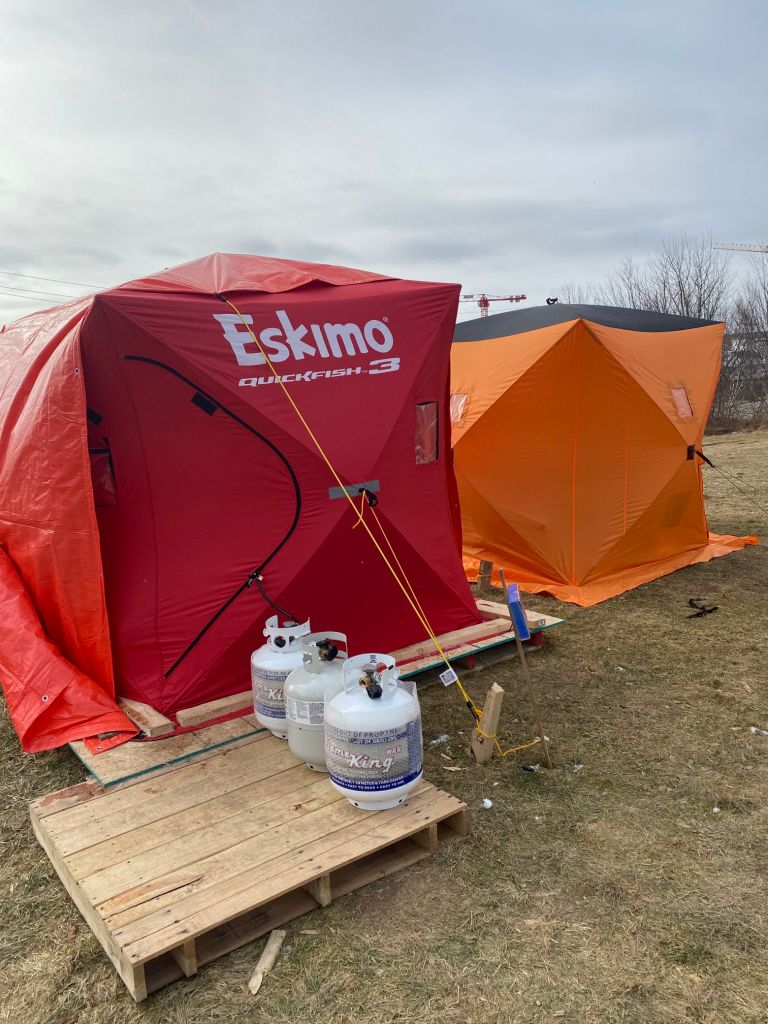
We supplied tents, blankets, insulated tarps, propane, propane tanks, toiletries, mens and womens jackets, winter gear, daily meals, laundry in emergency situations, Referrals to shelter and other community services such as soup kitchens, community fridges, addictions and mental health services, income assistance, showers, even supplying rides for people.
We also provided daily check in with each resident to ensure safety and wellbeing.
*** As you can imagine, the time this took just to check in with everyone to ensure their safety for a volunteer would be time consuming. However invaluable as this could have been the only time someone checked on an individual for that day. Which surely this human contact and reaching out was an important part of a volunteer.
What, if anything, did the city provide?
Bottled water, Portable toilets, outreach workers, gift cards…
What were the types of people here? Approx how many were truly down on their luck?
In my experience a high majority of the residents were suffering from mental health conditions as well as addiction.
Financially how much money was being raised via the community to help offset costs it was required to help these individuals?
We as a Non Profit Organization raised only enough money to cover essential costs
How many people did you see genuinely able to get their own place or back on their feet?
2
Were there drug addicts living here? If so, how was the area in terms of needles etc in different places?
In my experience every encampment has residents that struggle with substance use disorder. As far as needles or safe supplies there was residents that received safe supplies then were also paid to clean up their needles after use, there is sharps containers in each out house as well as on posts in the encampment there should not be any sharps around, We were very up on keeping the encampment as clean as possible, discouraging anyone from leaving garbage around, even doing clean up days where the residents would help to clean the site. They were all encouraged to keep the area clean as this was their home for now.
*** There is absolutely nothing wrong when you have people volunteering and really supporting people in their lives to want to help them keep their area clean. Truth be told if encampments were to be kept this way many neighbors and communities may be a little bit easier in terms of accepting them.
People always say housing first, we’re the people you helped able to properly care for homes or were other services needed before the “housing first” model worked? Ie: Mental health supports, etc.
The mental health services as well as addiction services is lacking. Why do we have only 5 detox beds in the area of HRM ?? This is not near enough. How are people to receive help ??? In my opinion we need rapid access addiction and mental health services, we to as a society have failed these people on some level. Housing first is like palliative care for addicts.
*** Housing first is like palliative care for addicts has got to be one of the best comparisons I have seen. Many think giving an addict a home will magically help them either become clean or function. It doesn’t. If an addict was able to function chances are they wouldn’t ever had been on the streets. Which is why it can be life saving to change the mindset of Housing First to Funding Detoxs, rehabs, etc.
Would you do this again?
I have taken some much needed time away to regroup in saying I’m back doing what I love and that’s helping others who maybe struggling.
What would you have liked to see different by both the city and province in regards to tackling the homeless crisis?
Higher wages, affordable housing, rapid detox, rapid mental health supports,
Any final thoughts before we wrap this up?
I would like to thank the volunteers that worked tirelessly and countless hours in helping to tackle this complex issue that the city faces. Giving people hope in some of their darkest times is never easy and sometimes thankless but know that your time was not wasted and I value each and everyone who has helped along the way in this rocky road!
———-
As mentioned by this individual, someone who was quit literally in the thick of it all, they too have said housing first is not as simple, or straight forward of an answer. It also isn’t the cheapest. Investing in mental health services and avenues for addicts to get clean provided they are willing, will no doubt cost more. At this point though, we need to be looking at long term solutions. Or stepping stones for people to continue to progress. Not this quick little hospital stay and right back out with every single trigger and asking them to stay sober.



 Stacey J. Girard